Every blacksmith eventually faces the same problem: the forge is hot, the anvil is ringing, and there is nothing left on the rack worth hitting. New steel is expensive. Offcuts from a fabrication shop are often free. The trick is knowing where to look, who to ask, and what to refuse when it lands in the back of the van.
What follows is a working guide to UK sources, from the grimy to the convenient. Not every tip will suit every smith, but between them they should keep your rack and your coal bunker stocked without draining your bank account.
Scrapyards: The Classic Starting Point
Every decent-sized town has at least one scrap metal merchant, and most will sell to the public if you ask politely and turn up during working hours. Find them by searching for "scrap metal merchant" plus your town, or by asking at a local garage. Ring first. Many yards only deal with trade accounts, and a few have stopped selling to the public entirely because of metal theft regulations. Under the Scrap Metal Dealers Act 2013, dealers in England and Wales need a licence, and they must record who they buy from. That means you will be asked for ID if you sell to them, and some yards keep the same discipline for buyers.
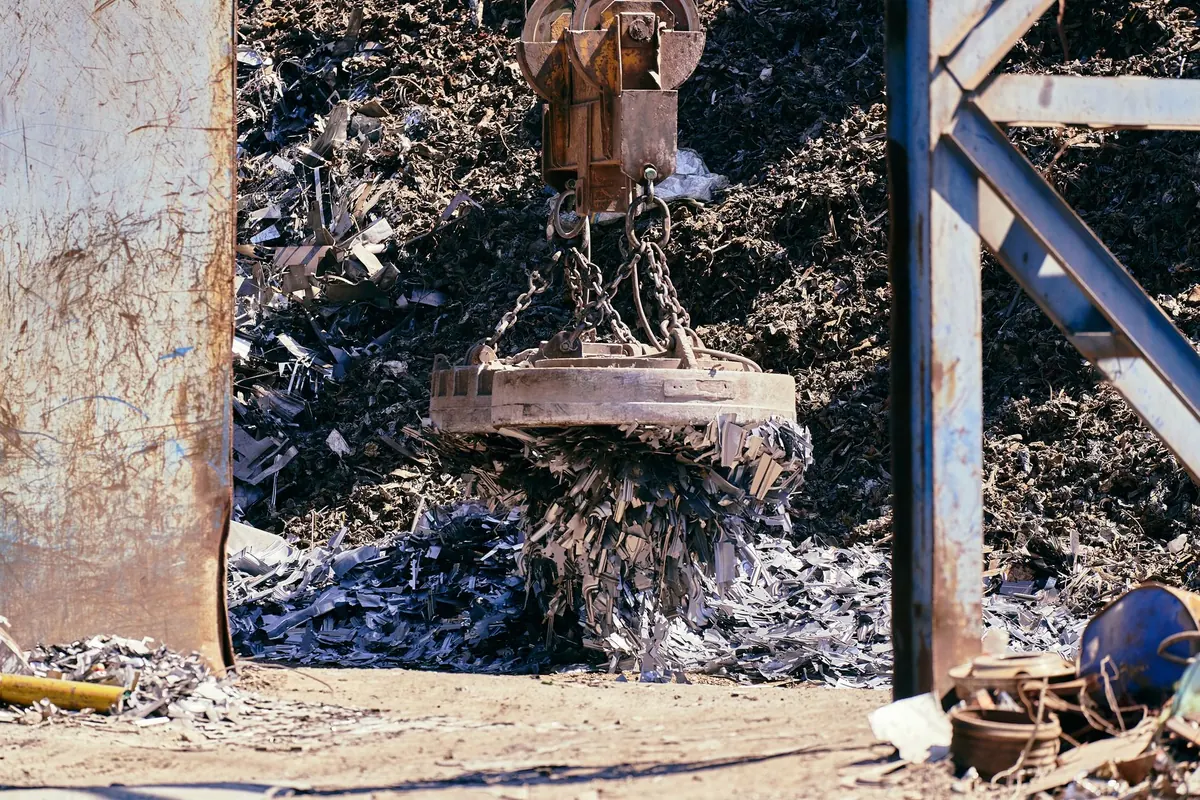
What you want is the "offcuts" or "mixed" pile, not the processed scrap that gets baled and shipped abroad. Mild steel angle, flat bar, round bar and plate turn up constantly from demolition and engineering work. Ask what they have, take a magnet, and expect to pay by weight. Some yards have a minimum charge; others will let you fill a bag for the price of a round of drinks.
A few practical points:
- Wear boots with steel toe caps and thick gloves. Yard floors are uneven and full of sharp edges.
- Bring a hacksaw or angle grinder if you need to cut pieces down to fit your vehicle.
- Ask about provenance on anything you plan to forge. Bright, clean bar is usually mild steel; rusted, pitted stock may be wrought iron or something less predictable.
- Never assume a mystery metal is safe to forge. Galvanised steel gives off toxic fumes when heated, and you cannot always tell by looking. If in doubt, leave it.
Build a relationship with one yard rather than flitting between several. The foreman who remembers your face is far more likely to ring you when a load of good bar comes in.
Farm Auctions and Rural Sales
Farm dispersal sales are goldmines for blacksmiths. Old machinery, gates, harrows, plough tines, chains, and piles of unidentifiable iron regularly come under the hammer, often for very little. Look for auctioneers who specialise in agricultural and machinery sales, and check their catalogues online a few days before the sale.
Attend the viewing day. That is when you can pick items up, check for cracks, and work out what you are actually bidding on. Set a limit before the auction starts and stick to it; competition at farm sales can be fierce, and it is easy to pay over the odds for a rusted heap because someone else wanted it too.
Remember that most auction houses add a buyer's premium and VAT on top of the hammer price, so a £40 lot can cost closer to £55 by the time you have paid. Take cash, a trailer, and a friend who can help lift. And check anything oily or containing old brake linings carefully; asbestos still lurks in some older farm equipment.
Steel Stockholders and Fabricators
When you need known stock, buy it properly. Steel stockholders sell bar, sheet, tube and section in a huge range of grades, and many will cut to length. Not all welcome small orders from individuals, but plenty do if you are straightforward about what you want. Look for independent stockholders rather than the big national chains, and ring ahead to ask about minimum order values and cutting charges.
Your best route in is often a local fabrication or engineering workshop. They buy steel by the tonne and generate offcuts daily. Ask whether you can buy from their scrap bin or arrange a regular collection. A box of decent mild steel offcuts for a tenner suits both sides: they clear space, you get material.
Learn the basic grade names. EN3B is a common mild steel, good for general work. EN8 and EN9 are medium-carbon steels that harden reasonably well. If you are making tooling, specify what you need and buy new stock rather than guessing at scrap.
Car Boot Sales and Autojumbles
Weekend car boots and classic vehicle autojumbles are excellent for tools and small stock. Old files, hammers, chisels, drifts, chains, springs and leaf springs all show up, usually for a few pounds. Old files are prized for knife making because the carbon content is usually known and reliable, though you should always test and normalise anything of uncertain origin.
Arrive early. The good stuff goes in the first hour, often before the sellers have finished setting out. Take cash in small notes and coins, and do not be afraid to haggle politely on a bundle. Spring steel from vehicle suspension, in particular, is worth watching for; it forges beautifully into chisels, punches and blades.
Online Marketplaces and Forums
Facebook Marketplace, eBay, Gumtree and specialist blacksmithing groups have transformed access to secondhand equipment. Anvils, leg vices, tongs, forges and hand tools appear regularly, though prices for desirable anvils have risen sharply in recent years.
Set up saved searches with alerts, and check them daily. When collecting, meet in a public place if you can, or take someone with you. Ask for clear photographs of makers' marks, and be wary of any listing that describes an anvil as "cast iron" without a brand name; many cheap modern anvils are cast iron and will dent under heavy work.
Buying coal, coke and charcoal is now largely an online affair. Specialist fuel suppliers deliver, though you will pay for it. Some farriers and agricultural merchants also stock forge fuel. If you have the space, ordering a pallet at a time is far cheaper than buying small bags, but check that any fuel you buy is suitable for a solid fuel forge rather than a domestic stove.
A Few Habits Worth Building
Keep a notebook of sources, prices and what each yard or seller actually stocks. Ring your regular contacts every few weeks rather than waiting until you are desperate. Be honest about what you want and what you are willing to pay, and never leave a yard without asking what else they have out the back.
Finally, treat every unknown piece of steel with respect. Test it, spark it, forge it small before committing to a large project, and if it behaves strangely, put it aside. Safety matters as much in sourcing as it does at the anvil.
Photo: Willians Huerta / Pexels